


Web-to-Print Platform & Software
What Is a Web-to-Print Editor, Actually?
•
8 min read
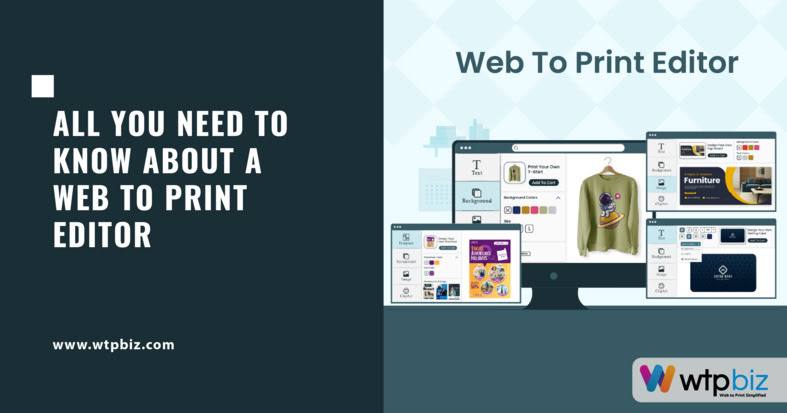
A web-to-print editor gets described in marketing copy as "a tool for customizing products." That's accurate but not useful — the actual question worth answering is what separates a good one from a form with a file upload button.
It's the difference between telling and showing
Without a real editor, a customer describes what they want and hopes it comes out right. With one, they see their actual product — their photo, their text, their layout — before they pay. That shift, from describing to seeing, is what a web-to-print editor is actually for.
Real-time rendering, not a static preview
The distinction that matters most is whether changes appear instantly as the customer works, or whether they submit choices and wait for a preview to regenerate. Instant feedback is what makes an editor feel like a design tool instead of a configuration form.
Built-in print-readiness checks, not just visual customization
A good editor does more than let someone move text around — it checks resolution, applies bleed and safe margins, and calculates specs like spine width automatically. Editors that skip this hand the print-readiness problem back to your production team, one file at a time.
Structure that prevents customers from breaking the product
Complete creative freedom sounds appealing but usually produces unprintable results — text that runs off the edge, images stretched past readable resolution. A well-built editor constrains what's possible within what actually prints correctly, without feeling restrictive to the person using it.
It should work the same whether it's a photo book, a t-shirt, or a sign
The underlying editor technology should be consistent even as the product category changes — the same core capabilities (drag-and-drop, live pricing, resolution checks) applied to different templates, rather than a completely different tool built from scratch for every product line.
A web-to-print editor isn't a feature you add to a product page. It's the actual interface between what a customer imagines and what comes off the press — and how well it's built determines whether that gap closes or widens.
Web-to-Print Platform & Software

